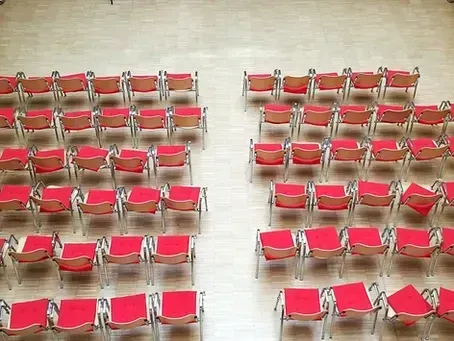
Ask anyone that serves on a board of managers of a condo or community association for a great story from one of their open board meetings and they will likely immediately launch into one. The reason is that open board meetings easily transform into mob-like public outcries. Individuals that live in condo and community associations are passionate about their homes and are comfortable expressing their displeasure when given the opportunity. Open board meetings cannot be avoided. Both the Illinois Condominium Property Act and the Illinois Common Interest Community Association Act require boards to meet at least four times annually. Fortunately, by implementing effective controls and proven strategies your board of managers can avoid the next association revolution.
Articulate the Meeting Roadmap
Often times association members attend open board meetings because they have a specific issue of importance they want to address. The other major reason is to lodge a complaint against the board. It is important that these attendees be informed when they will have their opportunity to speak. If a clear roadmap for the meeting is not provided at the beginning of the meeting, they will likely lose patience and interrupt the board meeting.
To combat this common occurrence, your board should inform everyone in attendance of the meeting roadmap. The board president should review the meeting agenda with the members, inform them approximately how much time will be allocated to each agenda item, and notify them which portion of the meeting will be reserved for membership questions and concerns. Equally as important is for the board president to remind the members that the purpose of the open meeting is to allow the board to conduct board business. Specifically, to permit the board to review and openly discuss association items of importance and to vote on them. This conducting of business must be done without interruption from the membership. At this juncture, the president should also vocalize the “housekeeping rules.”
Establish Meeting Housekeeping Rules and Secure Membership Commitment
Although we would like to believe adults behave appropriately in all settings, life experience tells us otherwise. Thus, it is vital to establish housekeeping rules at the beginning of a meeting to ensure it runs efficiently. The president should state in his or her own words that the board expects a basic level of respect, courtesy and civility from the members. That this basic level of respect requires everyone at the meeting to avoid interrupting and otherwise speaking over one another. To that end, name calling, insults and other derogatory comments will not be tolerated. The board will extend the same level of respect and courtesy to each association member. Following this prelude, the board president should ask the members if the housekeeping rules seem fair and if the members are willing to abide by them. Any sort of vocal response from the membership indicating approval is acceptable. The reasons for securing membership commitment of the rules will be explained later in this article.
One other tip to remember is that the housekeeping rules must be delivered with a level of certainty and confidence to establish the tone for the meeting. The first few minutes of any open board meeting are critically important to demonstrate that the board, and not the members, is in control of the meeting.
Enforce the Housekeeping Rules
More important than just establishing housekeeping rules is the actual enforcement of them. The probability is high that at least one attendee will violate the housekeeping rules within the first five to ten minutes of the meeting. It is extremely important that the board president take this opportunity to reiterate the housekeeping rules to the members. This should be done in a stern but respectful manner. Following the interruption and without responding to or otherwise addressing the interrupter’s comment or question, the president should address the members at large. An example would be something like: “As a reminder to everyone we all previously agreed to abide by the housekeeping rules. This commitment we made requires us to avoid interrupting and otherwise speaking over one another. It also requires us to avoid name calling, insults and making derogatory comments. Please remember these rules and we assure you that you will be given the opportunity to speak during the designated membership portion of the meeting.”
This tactic can be very effective when delivered in this manner immediately following an interruption and in front of the members. It reinforces that the board - not the unit owners - is in control of the meeting. It simultaneously serves as a deterrent to further interruptions from other members. This tactic may be repeated on an as-needed basis if further interruptions occur.
Successful Presidential Character Traits
The final component to ensuring efficient board meetings is putting the right person in charge. One of the primary roles of the board president is to preside over meetings of the board of managers. This duty is outlined in the applicable statute and in the bylaws of each association. The president is the chief executive officer and ideally should have natural leadership characteristics. The president should be comfortable with public speaking. He or she should be a reasonable and sensible individual willing to listen to input from other board members. The president must ensure the meeting flows at a steady pace and remains on topic. This may prove challenging as unit owners and board members steer the discussion off topic wasting valuable time. Having a task master with a good demeanor in charge helps ensure the meeting progresses at an acceptable pace and provides order to the meeting itself. Best of luck!